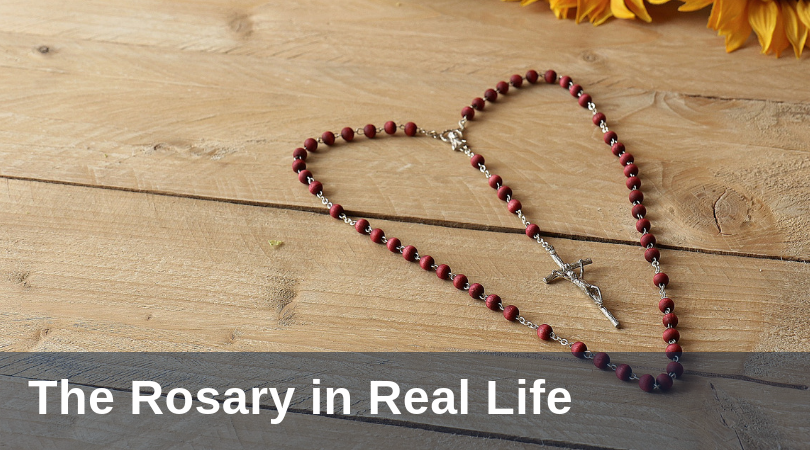
October is the month of the Rosary, and as the Church celebrates Our Lady of the Rosary today, I find myself reflecting on how this prayer has shaped my life of faith. Inevitably, my mind returns to my childhood, to praying the Rosary with my family.
Throughout the month of October, Catholics celebrate Respect Life Month. As the Body of Christ, we are encouraged to pray and work for the protection of life from conception to natural death. In a culture that is inhospitable to life, that views human beings as disposable, we are called to live out the consistent ethic of life. But what is the “consistent ethic of life?” Quite simply, it means committing oneself to consistently living in ways that uphold the irrevocable worth of every human being. The Church has a long and rich tradition of upholding a consistent ethic of life. The Didache (ca. 2nd century A.D.), for example, describes the Two Ways: the way of life and the way of death. The first commandments of the Way of Life provide Christians with paraenetic, or moral instruction. Christians are called to “give to everyone who asks, without looking for repayment” and are expressly forbidden from committing murder, abortion, and infanticide. These prescriptions are at the heart of Christian life.

Topics: pro-life, human dignity, Respect Life Month
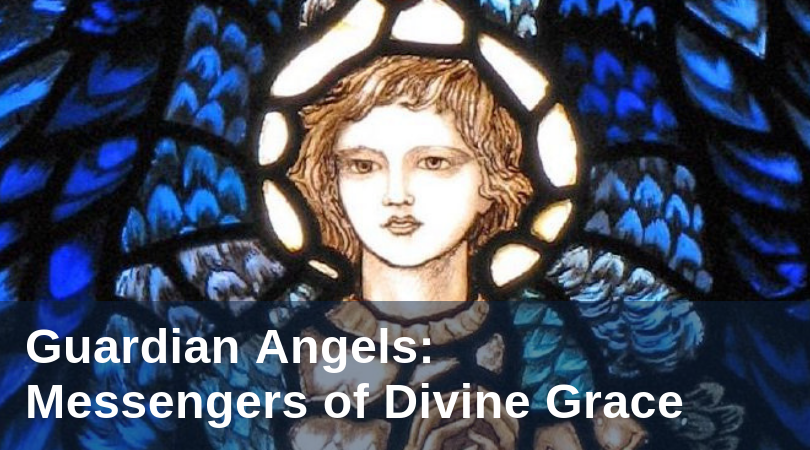
There is a rich tradition in the Church surrounding guardian angels that goes far beyond the image of a tiny angel perched on one shoulder, opposing the devil perched on the other. Though guardian angels were not given an official feast day until Pope Paul V declared it one in the early 1600s, the Church’s teaching on guardian angels is rooted deeply in both Scripture and Tradition.
Topics: feast days, liturgical year, guardian angels
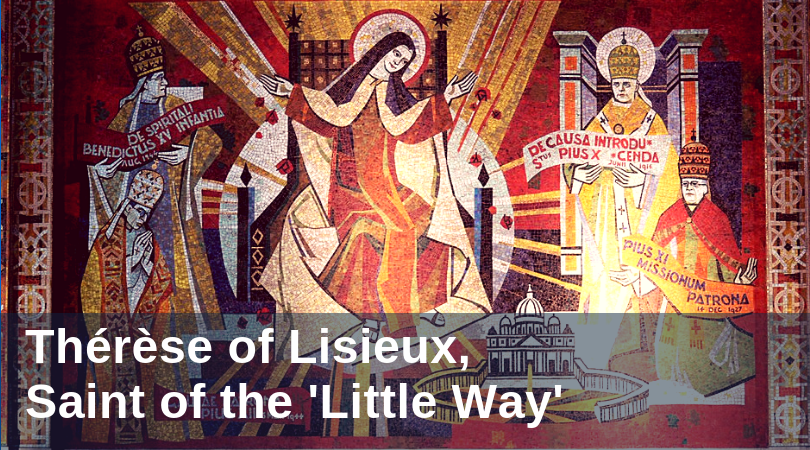
“If every tiny flower wanted to be a rose, spring would lose its loveliness.”
—St. Thérèse of Lisieux, The Story of a Soul (Rockford: Tan Books, 1997), p. 2
Topics: Little Way, St. Thérèse of Lisieux, saints
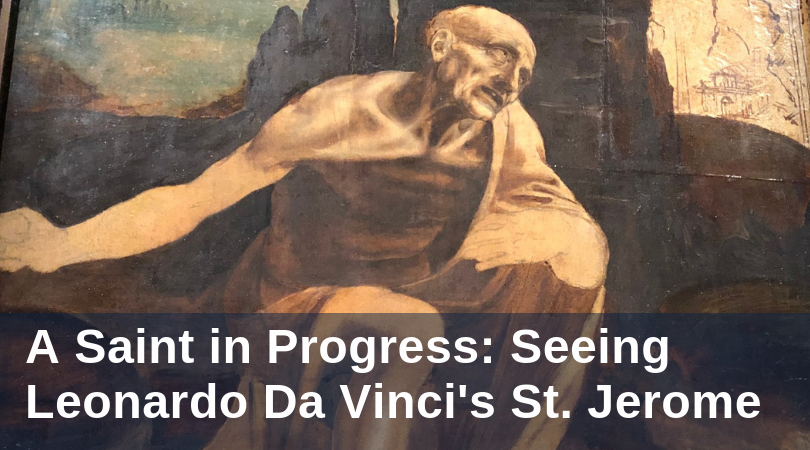
A Saint in Progress: Seeing Leonardo Da Vinci's St. Jerome
Today, September 30, the Church celebrates the feast of St. Jerome (ca. 345/7–420), one of the four great Latin doctors of the Church, along with Sts. Ambrose, Augustine, and Gregory the Great. He is primarily known for translating the Hebrew and Greek Scriptures (both Old and New Testaments) into Latin. His translation, known as the Vulgate, was adopted as the official Latin translation of the Bible.
Topics: art, Scripture, Scriptures, St. Jerome, Leonardo Da Vinci, Metropolitan Museum of Art