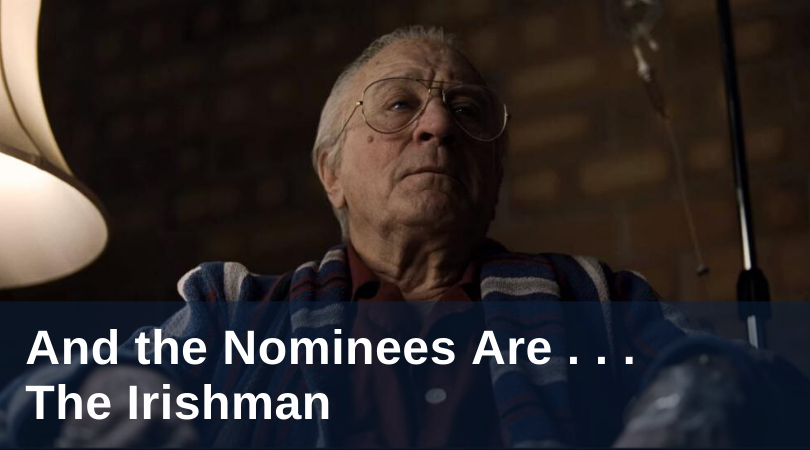
Boomer film buffs might see Martin Scorsese’s The Irishman as a kind of summative look back at the mafia culture depicted by Hollywood over the last few decades. But this film’s conclusion, in which an aged hitman attempts to make a genuine confession and find forgiveness with the aid of a priest, makes it a cautionary tale for our times.
Topics: Academy Awards, Best Picture nominees, Oscars, The Irishman, Martin Scorsese, good and evil
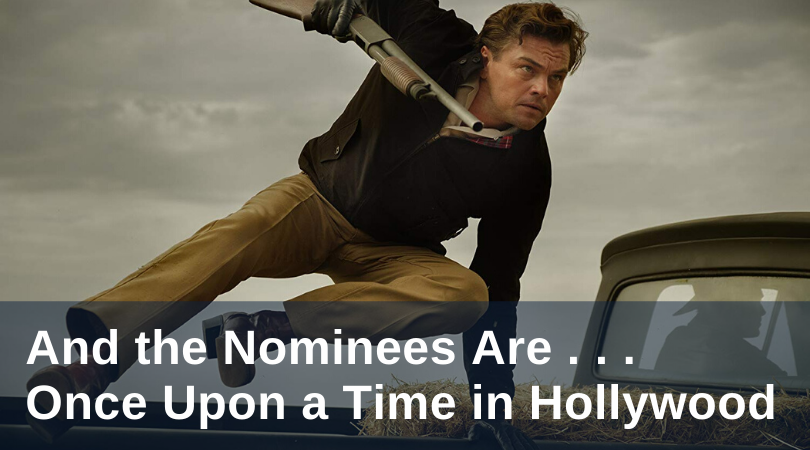
And the Nominees Are . . . Once Upon a Time in Hollywood
Editorial Note: The following is an excerpt from an essay entitled Once Upon a Time of Violence, originally published at Church Life Journal on September 9, 2019.
Given the large number of mass shootings over the past 20 years, and increase in the amount of extremist ideology advocating for violence being spewed online, a new [Quentin] Tarantino film, especially one about one of the most famous and grisly murders in American history [the 1969 murder of actress Sharon Tate, perpetrated by followers of Charles Manson], seems a good occasion for reviewing our moral and theological attitudes toward media violence.
Topics: Academy Awards, Best Picture nominees, Oscars, Quentin Tarantino, Once Upon a Time in Hollywood
Editorial Note: This review contains spoilers.
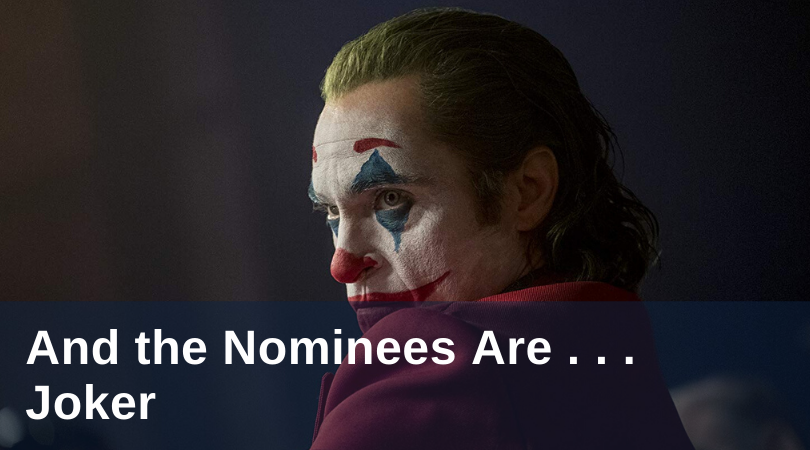
As I approached my viewing of Joker, I knew that it was bound to be a unique and divisive experience. One need only glance at Rotten Tomatoes to see that this film drew reactions on all sides of the critical spectrum: one top critic called it “brilliant and unforgettable;” another “bleak and juvenile.”
Topics: Culture, Academy Awards, Best Picture nominees, Oscars, Joker, truth
Editorial Note: The following is an excerpt from an essay entitled "Kobe Bryant and the Bread of Life," published at Church Life Journal on February 4, 2020.
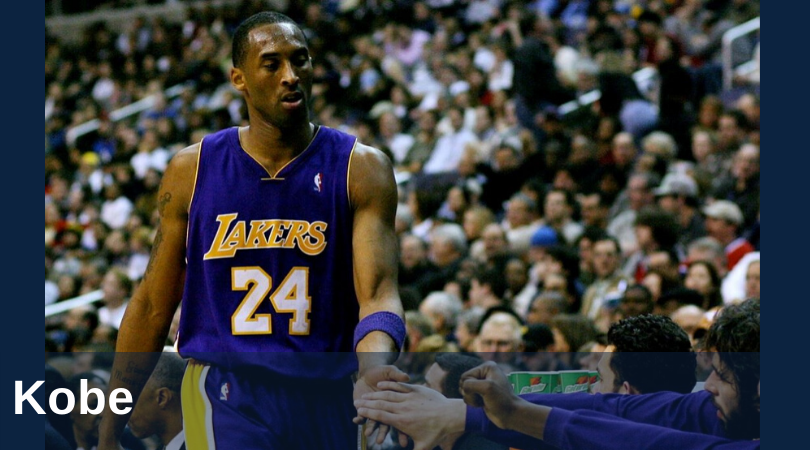
Nine people died in a helicopter crash in Calabasas, California, on January 26, 2020. Their names are John, Keri, Alyssa, Sarah, Payton, Christina, Ara, Gianna, and Kobe. Each of them is mourned by those who love them. Three of them were children. Other children lost their parents and siblings in the crash. Spouses were widowed. It is all a tragedy.
The reason the tragedy has dominated the news for consecutive cycles is because of the one person whose last name did not need to be published for us to know who he was: Kobe. His death is no more a tragedy than the deaths of the other eight; if anything, his daughter’s and her friends’ deaths are even more tragic. But Kobe is the one we all knew and I knew him no better than you did. But I loved him.

Topics: Kobe Bryant
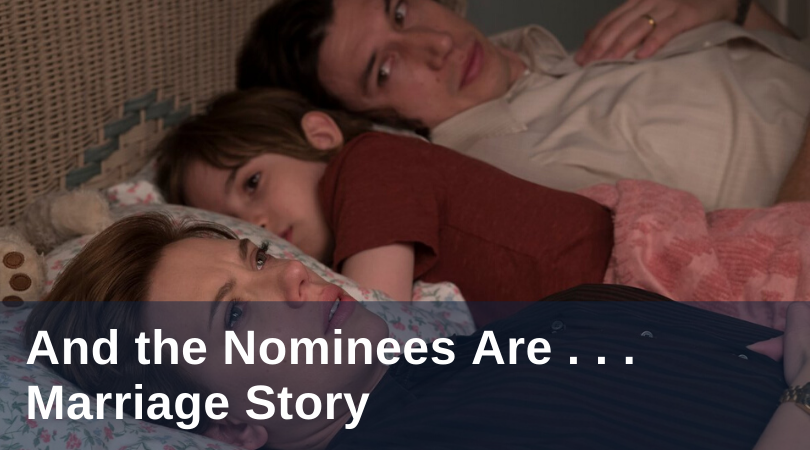
Editorial Note: The following is an excerpt from an essay entitled A Story of Divorce as Self-Realization originally published by Church Life Journal on January 13, 2020. This review contains spoilers.
I cannot stop thinking about Noah Baumbach’s film, Marriage Story, starring Adam Driver as Charlie, and Scarlett Johansson as his soon to be ex-wife Nichole. Real marriages, marriages of equals that have lasted more than a handful of years, not sitcom marriages played for laughs, are rarely given this much attention on the silver screen. It is perhaps difficult to capture the little moments that make up a shared life, but Baumbach captures them beautifully. Here is Nichole cutting Charlie’s hair. Here is Charlie cooking her dinner, or opening up the blankets so their son, Henry, can be comforted after a bad dream.
In a country where a million people file for divorce every year there are surprisingly few films about it in which neither partner gets turned into a cartoon villain or quickly written out of the script. In Marriage Story there are no villains, just two very imperfect humans struggling to find their “aliveness” and a sense of worth. . . .
Topics: Culture, Academy Awards, divorce, Best Picture nominees, marriage, Oscars, Marriage Story